
The unexpected reset that keeps me coming back to OpenAI
An unrequested usage reset is a small thing, but it changes how dependable an AI coding tool feels during a busy week.
Artificial intelligence, machine learning, and applied AI commentary.
An unrequested usage reset is a small thing, but it changes how dependable an AI coding tool feels during a busy week.

The barrier to building software is collapsing, but a viable product still needs margins that survive the cost of running it.

Typing is not always the fastest way to work with AI. Sometimes the missing piece is just being able to talk through the problem.

The interesting part is not just that AI can fix a bug. It is how quickly it can get you from blocked user to useful contributor.

A focused work sprint is about execution, but keeping momentum means knowing when to step away from the keyboard too.

The shiny UI is the easy part. The production stack underneath is where most vibe-coded apps either grow up or fall over.

People used to confess private questions to Google. Now they are giving them to ChatGPT, and the mirror is getting personal.
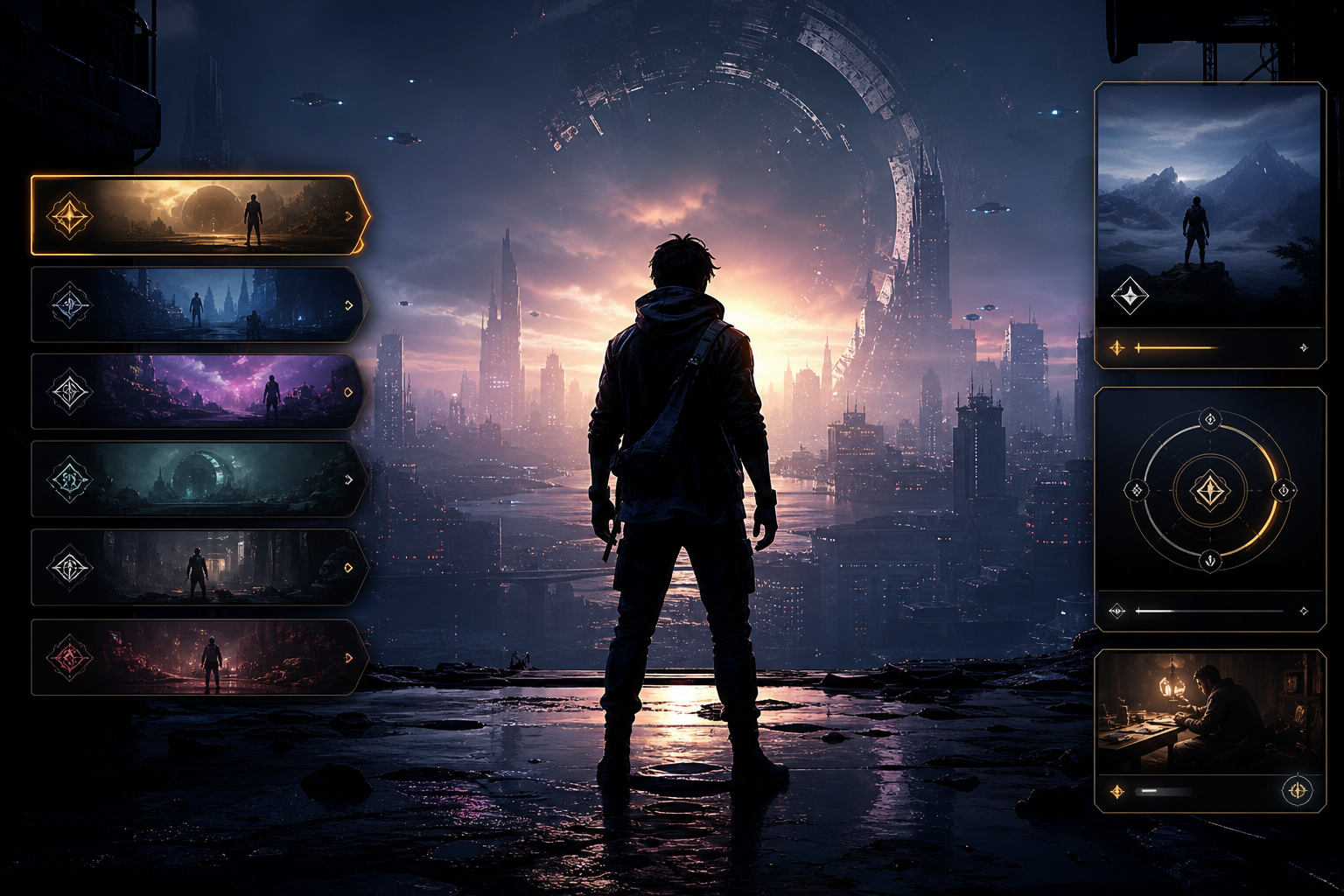
A playful AAA game menu prompt reveals why better AI personalisation depends on identity, taste, constraints, and context.

Agentic coding changes the pricing psychology. Developers need cost visibility and control before AI bills become the blocker.

AI coding tools make development faster, but they also create a strange pressure to keep agents running when humans should rest.

AI bubble deflation may be healthy if it forces the market to separate useful, boring AI from hype-driven products.

AI is exposing weak SaaS business models. The SaaS-pocalypse is less about better software and more about broken economics.