The small uses of AI agents are still the ones that get me
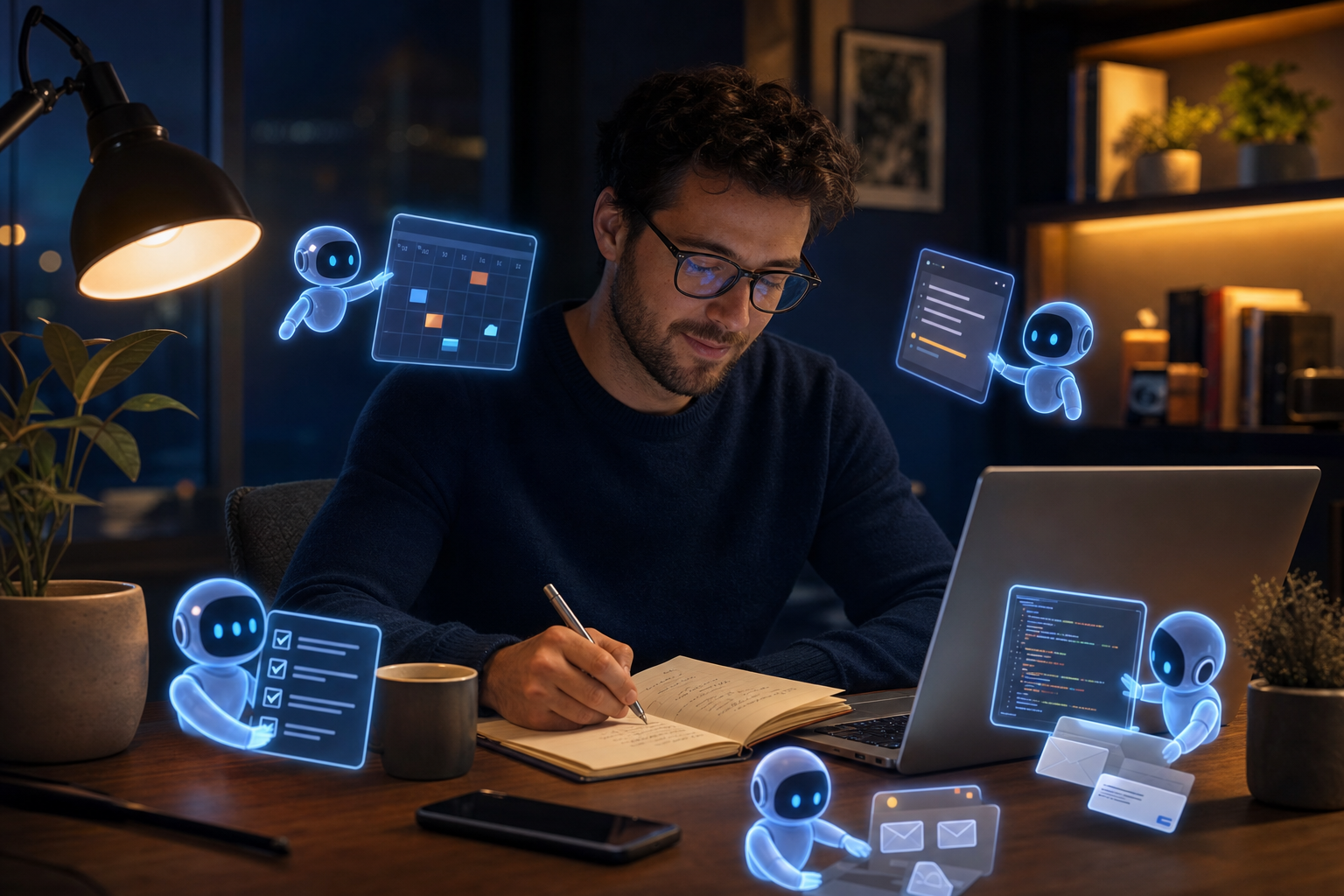
AI agents are impressive in the big demos, but the everyday micro-uses are where they start to feel genuinely useful.
Expanded from a LinkedIn post originally published on 2026-07-26.
AI agents still blow me away and finding all these micro-uses for them just to make my life easier. Must watch this!
#aiagent #artificialintelligence #entrepreneurship #futureofwork #businessgrowth
The tiny automations are the point
The big AI agent demos are fun. They make good videos. They show the machine planning, clicking, writing code, moving files around and generally looking like it has wandered out of a science fiction pitch deck.
But the uses that keep sticking with me are much smaller. The tiny jobs. The annoying bits of admin. The one-off chores that are not worth building a proper app for, but are absolutely worth giving to an agent if it can do them reliably.
That is where the technology starts to feel less like a novelty and more like leverage.
Useful does not always look dramatic
A good agent task might be boring to watch. Check a dashboard. Pull out the new items. Rename the files. Compare a spreadsheet against a receipt trail. Draft the first version of a reply. Keep an eye on something and only interrupt when there is a real decision to make.
None of that looks as glamorous as a fully autonomous startup in a browser tab. It is also much closer to how people actually work.
Most businesses are not short of grand AI visions. They are short of time, attention and clean handoffs between all the little systems that somehow became essential.
The compounding effect is easy to miss
One micro-use does not change much. Ten of them start to matter. Fifty of them quietly change the shape of a working day.
That is what I find exciting. Not replacing everything with one giant agent that promises to run the company, but building a layer of small, trusted helpers around the repetitive parts of life and work.
The future of work may arrive through very ordinary tasks first. Which is probably why it feels real.