
Why Codex has become my everyday AI tool
My current preference is less about collecting models and more about having one tool that fits my agent-driven working day.
Agentic AI systems, automation assistants, permissions, and workflows.
My current preference is less about collecting models and more about having one tool that fits my agent-driven working day.
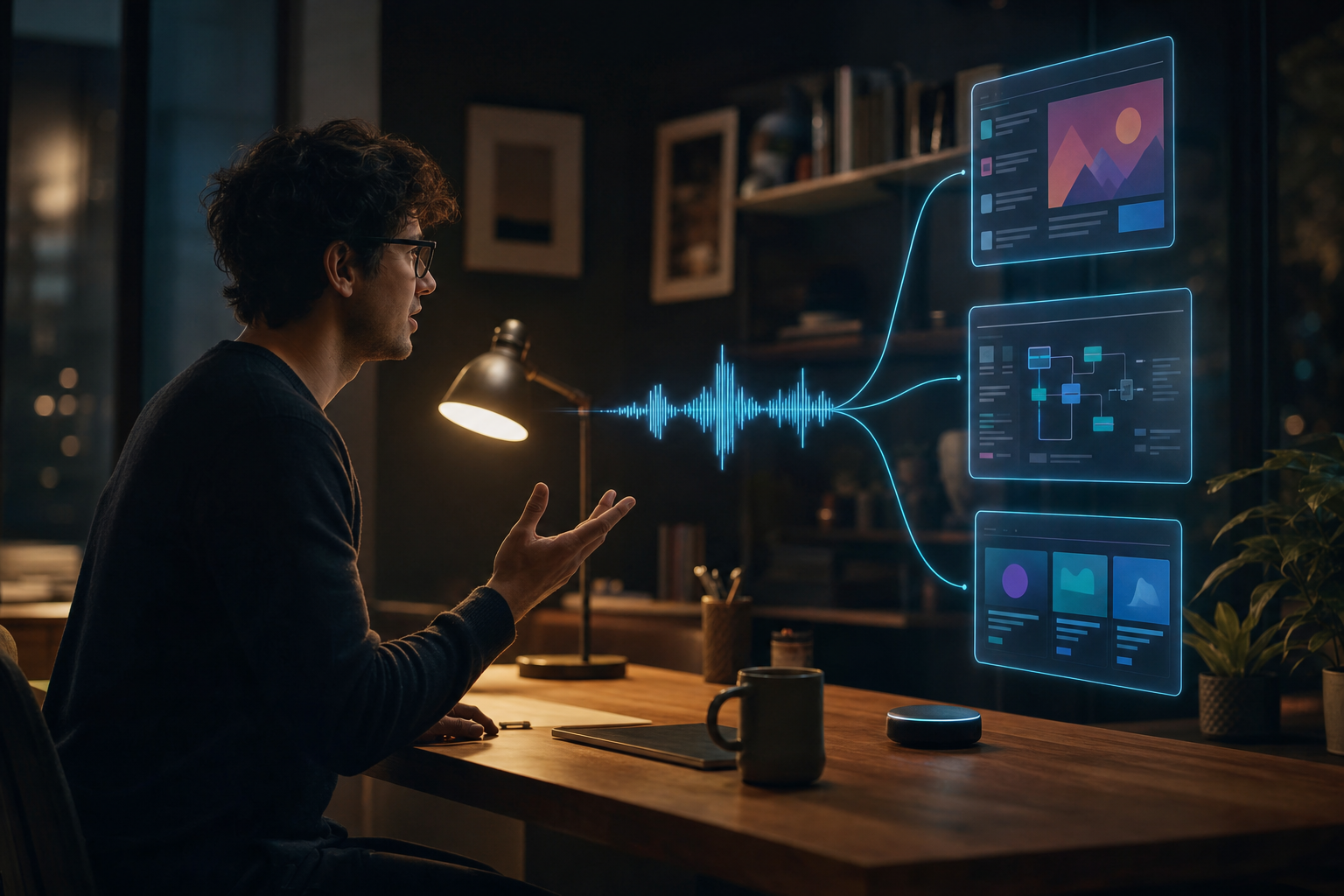
Voice makes briefing agents across several projects feel closer to working with a team than stopping to write another prompt.

AI agents are impressive in the big demos, but the everyday micro-uses are where they start to feel genuinely useful.

The appeal of a local agent is not just the conversation. It is being able to connect that conversation to files, browsers and everyday tools.

AI agents need controlled, auditable access to specific credentials, not your whole password manager and a prayer.

Code is becoming cheaper. Taste, boundaries, memory, permissions, and judgement are what make AI agents safe enough to trust.
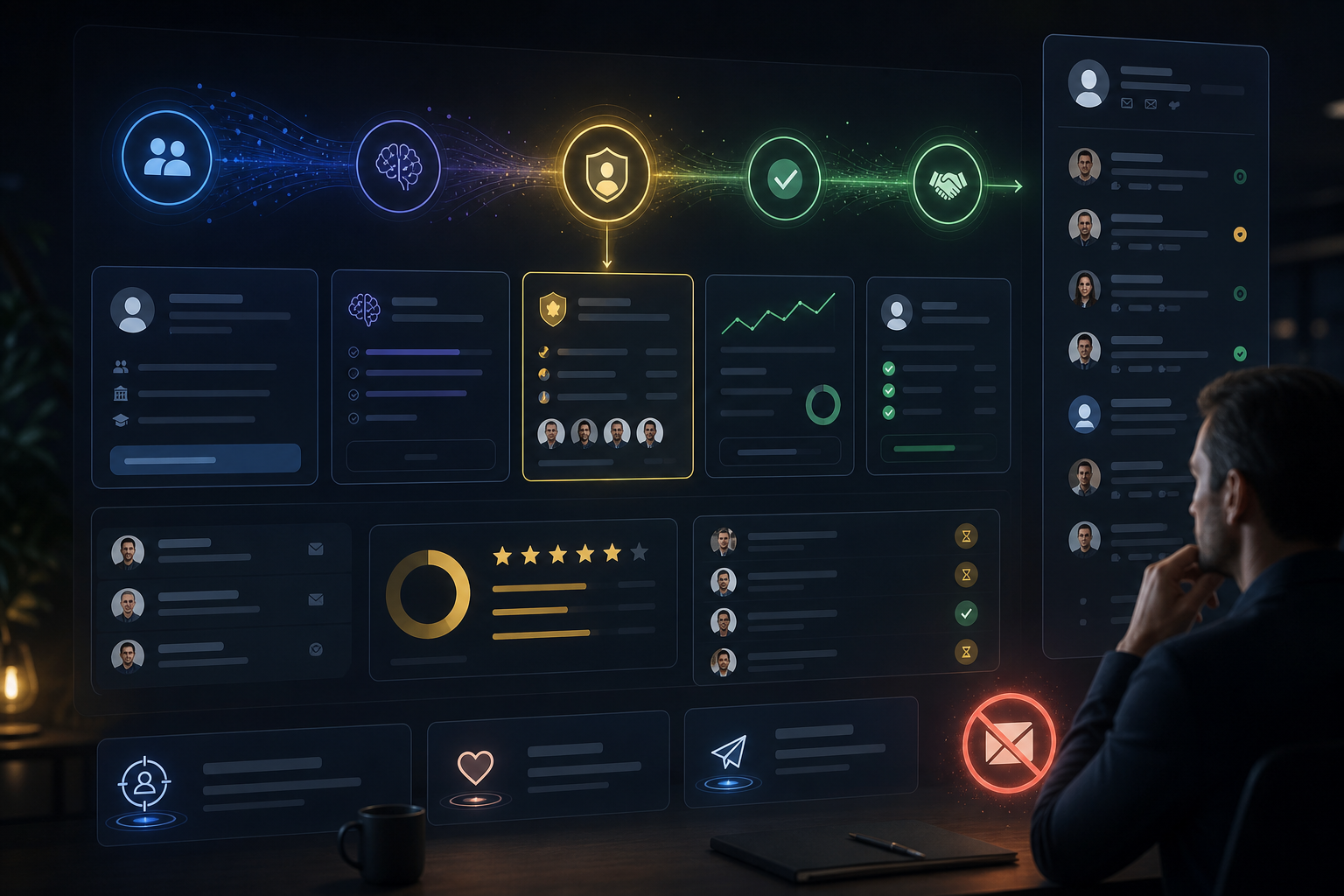
Useful AI lead generation should surface evidence, context, and human-reviewed opportunities, not blast cold messages at scale.

Why specialised AI agents beat one magical assistant, and how an agent team can reduce the cognitive glue of daily work.

OpenClaw shows why local, operator-owned AI agents are powerful, practical, and too important for founders to ignore.

A practical look at OpenClaw, agentic AI, and why assistants that actually work for you feel like an inflection point.